Mediterranean Cruise Review: Itinerary, Dining, and Entertainment

A Mediterranean cruise is often considered one of the most rewarding cruise experiences in the world. It combines iconic cities, rich history, diverse cultures, and world class cuisine in a single trip. Instead of packing and unpacking between countries, you wake up each morning in a new destination while enjoying the comfort of a floating hotel.
In this comprehensive Mediterranean cruise review, we explore what you can expect from a typical itinerary, how dining works onboard, and what entertainment options are available. Whether you are planning your first European cruise or comparing cruise lines, this guide will help you understand what makes Mediterranean sailings unique.
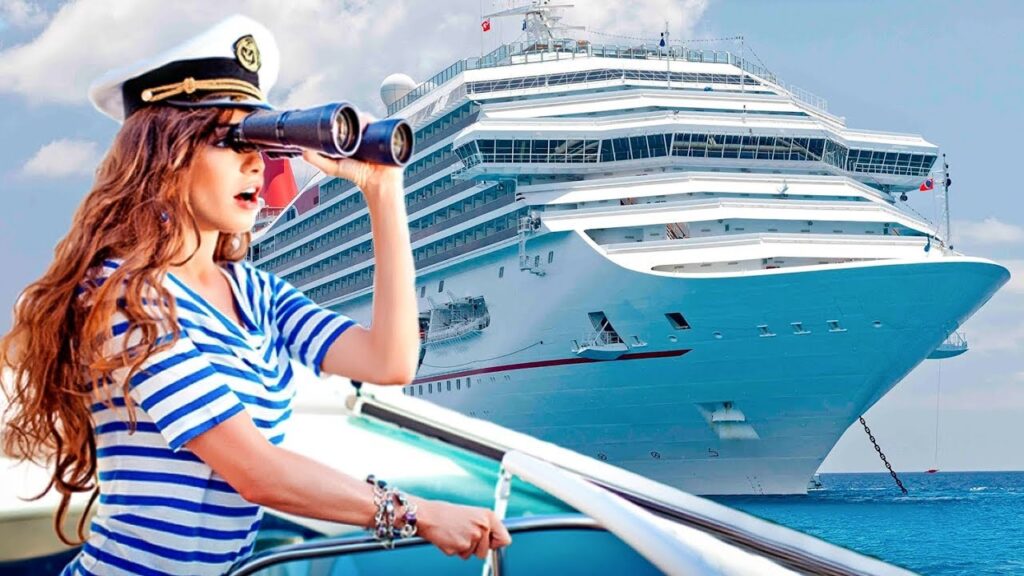
Mediterranean Cruise Itinerary Overview
One of the main reasons travelers choose a Mediterranean cruise is the variety of destinations. Within seven to ten days, you can visit multiple countries without the stress of trains, airports, or hotel changes.
Western Mediterranean Itinerary
The Western Mediterranean is the most popular route, especially for first time cruisers.
Typical ports include:
- Barcelona, Spain
- Rome, Italy
- Naples, Italy
- Marseille, France
- Palma de Mallorca, Spain
Many ships depart from Barcelona or Rome, both easily accessible international airports.
Cruise lines such as MSC Cruises and Royal Caribbean International frequently operate seven night Western Mediterranean itineraries during the summer season.
Highlights
Rome offers access to the Colosseum and Vatican City.
Naples provides opportunities to visit Pompeii or the Amalfi Coast.
Barcelona combines Gaudi architecture with vibrant food markets.
Western Mediterranean cruises often include one or two sea days, giving passengers time to relax between busy sightseeing stops.
Eastern Mediterranean Itinerary
The Eastern Mediterranean focuses more on ancient history and coastal landscapes.
Common ports include:
- Athens, Greece
- Santorini, Greece
- Mykonos, Greece
- Istanbul, Turkey
- Dubrovnik, Croatia
Cruise lines such as Celebrity Cruises and Princess Cruises often feature Eastern Mediterranean routes during peak season.
Highlights
Santorini is famous for white cliffside villages and blue domes.
Athens offers access to the Acropolis and Parthenon.
Dubrovnik features medieval walls and Adriatic views.
Eastern routes can feel slightly more relaxed, with a strong focus on scenic ports and cultural exploration.
Port Intensive Experience
Unlike Caribbean cruises that may include private island stops and multiple sea days, Mediterranean itineraries are typically port intensive.
Most days involve:
- Early morning arrival
- Full day shore excursions
- Late afternoon or evening departure
This makes Mediterranean cruises ideal for travelers who enjoy active sightseeing and cultural immersion.
However, it also means careful planning is essential to avoid exhaustion.
Shore Excursions and Exploration
Mediterranean ports are often gateways to major cities located one to two hours from the cruise terminal. For example, ships docking near Rome actually stop in Civitavecchia, about 90 minutes away.
Excursion options typically include:
- Guided city tours
- Historical site visits
- Culinary experiences
- Wine tastings
- Scenic coastal drives
Independent exploration is possible but requires research. Public transportation in Europe is generally reliable, though timing must align with ship departure.
Many travelers choose at least one organized excursion for complex ports such as Rome or Athens.
Dining Experience on a Mediterranean Cruise
Dining plays a major role in the cruise experience, especially in a region known for world class cuisine.
Most Mediterranean cruises offer a mix of complimentary dining venues and specialty restaurants.
Main Dining Room
The main dining room is included in the cruise fare and typically serves breakfast, lunch on sea days, and dinner every evening.
Menus rotate daily and often include:
- Mediterranean inspired dishes
- Pasta and seafood options
- Grilled meats
- Vegetarian selections
- Classic desserts
On European focused cruise lines such as MSC Cruises, you may notice stronger Italian influence in the cuisine.
Dinner is usually offered in either fixed seating or flexible dining formats.
Buffet Dining
The buffet offers casual meals with extended hours, ideal for early port days or relaxed evenings.
Breakfast selections include pastries, fruit, eggs, and local specialties. Lunch often features international dishes alongside regional favorites inspired by the itinerary.
Buffet dining is convenient but can become crowded during peak times.
Specialty Restaurants
Most ships feature additional dining venues for an extra fee.
These may include:
- Steakhouse
- Sushi bar
- Italian trattoria
- French bistro
- Teppanyaki grill
Specialty restaurants provide a quieter atmosphere and more refined presentation. Many travelers choose one or two specialty dinners during a seven night cruise.
Wine is an important part of Mediterranean dining culture. Ships typically offer regional wine lists featuring Italian, Spanish, and French labels.
Food Quality Review
Overall food quality on Mediterranean cruises is strong, though it varies by cruise line.
Premium lines such as Celebrity Cruises are known for elevated culinary presentation and diverse menus. Mainstream lines provide solid quality with wide variety.
Port days also offer opportunities to sample authentic local cuisine ashore, from Neapolitan pizza to Greek souvlaki.
Balancing onboard meals with local dining enhances the overall experience.
Onboard Entertainment and Activities
After long sightseeing days, entertainment becomes essential for relaxation and enjoyment.
Mediterranean cruises blend cultural enrichment with traditional cruise entertainment.
Theater Shows
Most large ships feature nightly performances in the main theater.
These may include:
- Musical productions
- Dance performances
- Acrobatic shows
- Guest vocalists
Ships operated by Royal Caribbean International are known for high energy productions, while Princess Cruises often emphasizes live music and classic entertainment.
Shows typically last 45 to 60 minutes, making them easy to fit into a busy schedule.
Live Music and Lounges
Bars and lounges host:
- Piano performances
- Jazz ensembles
- Acoustic guitar sets
- DJ nights
Mediterranean cruises tend to attract an international crowd, creating a lively but diverse atmosphere.
Enrichment Programs
Because of the historical nature of Mediterranean destinations, many ships offer educational lectures and cultural talks.
Topics may include:
- Ancient Roman history
- Greek mythology
- Renaissance art
- Regional culinary traditions
These programs add depth to the itinerary and prepare passengers for upcoming ports.
Pools and Relaxation Areas
Although Mediterranean cruises focus heavily on sightseeing, sea days allow time to enjoy:
- Swimming pools
- Sun decks
- Spa facilities
- Fitness centers
Weather during peak season from May to September is generally warm and sunny, ideal for deck relaxation.
Service and Atmosphere
Service quality on Mediterranean cruises is typically professional and multilingual.
Since many passengers come from Europe, North America, and other regions, announcements and menus are often available in multiple languages.
The onboard atmosphere tends to be slightly more relaxed than formal Caribbean sailings. Dress codes vary but smart casual attire is usually sufficient for most evenings.
Best Time for a Mediterranean Cruise
The Mediterranean cruise season typically runs from April through October.
- May and June offer mild weather and fewer crowds.
- July and August bring peak season crowds and higher temperatures.
- September and October provide pleasant weather with reduced tourist traffic.
Shoulder season months often offer better pricing and more comfortable sightseeing conditions.
Pros and Cons of a Mediterranean Cruise
Pros
- Visit multiple countries in one trip
- No need to change hotels
- Wide cultural diversity
- Strong food and wine scene
- Efficient travel between cities
Cons
- Port intensive schedule can feel busy
- Long travel times from port to city centers
- Summer crowds in major attractions
- Limited pool time compared to Caribbean cruises
Understanding these factors helps set realistic expectations.
Final Thoughts: Is a Mediterranean Cruise Worth It?
A Mediterranean cruise delivers exceptional variety in a short timeframe. From Roman ruins and Greek islands to Spanish markets and French coastal towns, few vacations offer this level of cultural diversity in one week.
The itinerary is often the star of the experience, but dining and entertainment onboard provide comfort and relaxation after active days ashore.
If you enjoy history, architecture, scenic coastlines, and culinary exploration, a Mediterranean cruise is an outstanding choice. It combines the convenience of cruising with the depth of European travel.
With proper planning, balanced excursions, and realistic expectations about busy port days, your Mediterranean cruise can become one of the most enriching travel experiences available.
For many travelers, it is not just a vacation but an unforgettable journey through centuries of history and culture, all experienced from the comfort of a modern cruise ship.
Share this content:


Post Comment