Marine Electrical Repair: Boat Power Problems You Should Not Ignore
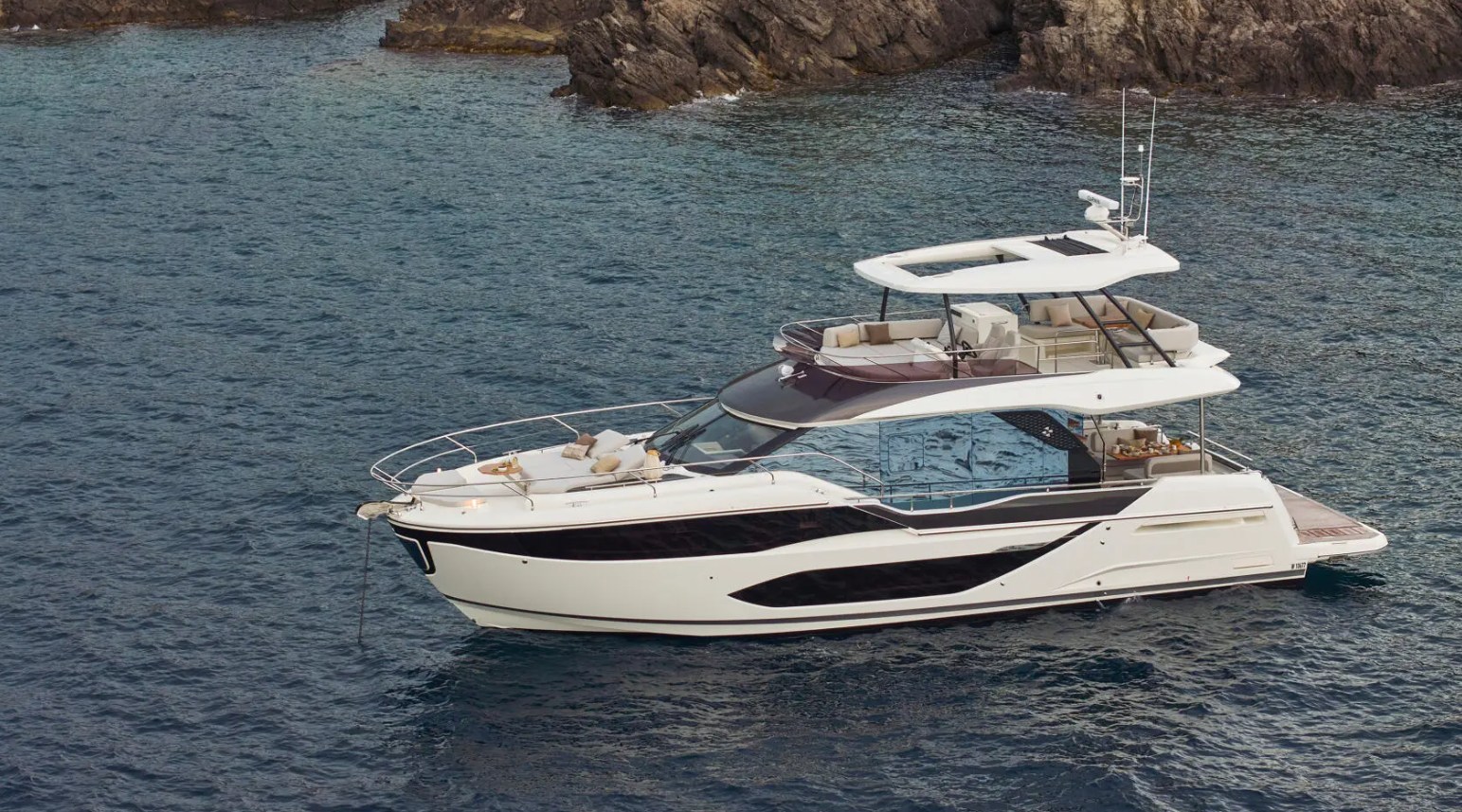
Modern boats depend heavily on electrical systems. Batteries, charging equipment, navigation electronics, pumps, lighting, communication devices, and onboard appliances all require dependable power. When something starts working inconsistently, the problem may involve wiring, connections, batteries, or a larger electrical component. Boat Work Times helps boat owners deal with marine repair needs, while understanding the basics of marine electrical repair can help identify warning signs before a small fault becomes a larger problem.
Table of Contents
Weak Batteries Can Cause Multiple Symptoms
A battery problem is often mistaken for a failure somewhere else in the electrical system. A weak battery may cause slow engine cranking, dim lights, unreliable electronics, or equipment that shuts down unexpectedly.
Boat owners should pay attention to:
- Slow starting
- Low voltage readings
- Corroded terminals
- Swollen battery cases
- Loose cable connections
- Batteries that lose charge quickly
Battery condition should be checked regularly, especially before extended trips. A battery that repeatedly loses power may have reached the end of its service life, but the charging system should also be inspected before replacing it.
Corrosion Is a Serious Marine Electrical Problem
Saltwater and moisture create particularly difficult conditions for electrical components. Corrosion can develop around terminals, connectors, switches, fuse holders, and wiring.
Even minor corrosion can increase electrical resistance and create intermittent connections. Over time, the affected component may heat up or stop working altogether.
Professional marine electrical repair often involves locating corrosion that is hidden behind panels, inside connectors, or near equipment exposed to moisture. Simply cleaning a visible terminal may not solve the underlying problem if corrosion has already affected the wiring.
Charging Problems Can Leave You Without Power
A properly functioning charging system keeps the batteries ready for repeated use. If the alternator, charger, voltage regulator, or related wiring develops a fault, the battery may gradually become discharged.
One common warning sign is a battery that appears fully charged before departure but becomes weak after several hours of operation.
Owners should monitor voltage while the engine is running and investigate unusual readings. A professional technician can test the charging system and determine whether the issue comes from the battery, alternator, connections, or another component.
Faulty Wiring Should Not Be Ignored
Boat wiring can deteriorate because of vibration, moisture, heat, improper installation, and age. Damaged insulation can expose conductors and increase the risk of short circuits.
Older boats may also contain wiring that was installed without adequate protection or routing. Overloaded circuits, incorrect wire sizes, and poor connections can create additional problems.
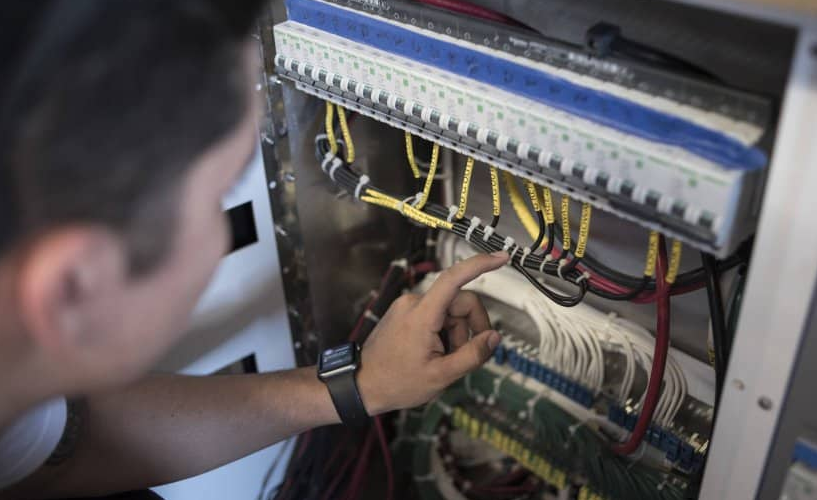
During marine electrical repair, technicians may inspect wiring routes, terminals, breakers, fuses, and grounding connections to locate the source of an electrical fault.
Navigation Electronics Need Stable Power
GPS units, chartplotters, radar systems, depth finders, radios, and other electronics depend on stable electrical power. When voltage fluctuates, these systems may reboot, display errors, or shut down.
Before assuming that expensive electronics have failed, owners should verify the power supply. Loose connections, weak batteries, damaged wiring, or faulty breakers can create symptoms that look like equipment failure.
Maintaining clean connections and stable voltage can help protect sensitive marine electronics and reduce unnecessary replacement costs.
Bilge Pumps Are Especially Important
Some electrical equipment affects convenience, while other systems are directly related to boat safety. Bilge pumps are an important example.
A pump may fail because of a damaged motor, blocked float switch, wiring problem, blown fuse, or poor connection. Since a bilge pump may need to operate when the boat is unattended, its electrical circuit should be tested regularly.
Owners should verify that automatic and manual pump functions work correctly. Any unexplained failure should be investigated rather than ignored.
Generator Problems Can Affect the Entire Boat
Boats equipped with onboard generators rely on electrical systems for both starting and distributing generated power. A generator problem can therefore affect multiple appliances and systems at the same time.
Common warning signs include difficult starting, unstable output, unusual noises, overheating, or equipment that repeatedly loses power.
Generator faults can involve fuel, cooling, batteries, controls, wiring, or the generator itself. A proper diagnosis should consider the complete system instead of replacing individual components without identifying the cause.
Fuses and Breakers Provide Important Protection
Fuses and circuit breakers protect electrical circuits from excessive current. When a fuse repeatedly blows or a breaker keeps tripping, replacing it without investigating the reason can create additional problems.
Repeated trips may indicate:
- A short circuit
- An overloaded circuit
- Damaged wiring
- A failing electrical component
- Moisture entering the system
Marine electrical repair should focus on finding the reason for repeated protection-device activation rather than simply installing another fuse or resetting a breaker.
Preventive Inspections Can Reduce Electrical Failures
Electrical systems deserve the same attention as engines and mechanical components. A seasonal inspection can identify deteriorated wiring, loose connections, corrosion, weak batteries, and damaged protective components before they cause a breakdown.
Owners should periodically inspect accessible electrical areas and keep battery compartments clean and dry. Connections should be secure, and equipment should be protected from unnecessary exposure to water.
Professional marine electrical repair can also be useful when a boat develops recurring electrical faults that are difficult to diagnose through visual inspection alone.
When Should You Call a Marine Technician?
Some electrical issues are simple, but others require specialized testing equipment and experience. Professional help is appropriate when a boat experiences repeated electrical failures, unexplained battery discharge, overheating wires, persistent breaker trips, or intermittent loss of power.
A technician can trace circuits, test voltage and resistance, inspect connections, and identify faults that may not be visible during a basic inspection.
Addressing these problems early can help prevent more extensive damage and keep important onboard systems operating reliably.
Final Thoughts
Reliable electrical power is essential for modern boats. Batteries, charging systems, wiring, navigation equipment, bilge pumps, generators, and protective devices all need to work together correctly.
Regular inspections can reveal problems before they interrupt a trip or damage expensive equipment. When electrical faults become persistent or difficult to identify, professional marine electrical repair provides a structured way to diagnose the system and correct the underlying issue.
For more useful articles about marine engines, boat maintenance, electrical systems, repairs, and other boating equipment, you can find them here.
Share this content:

Post Comment