Boat Seat Materials That Define Modern Marine Comfort
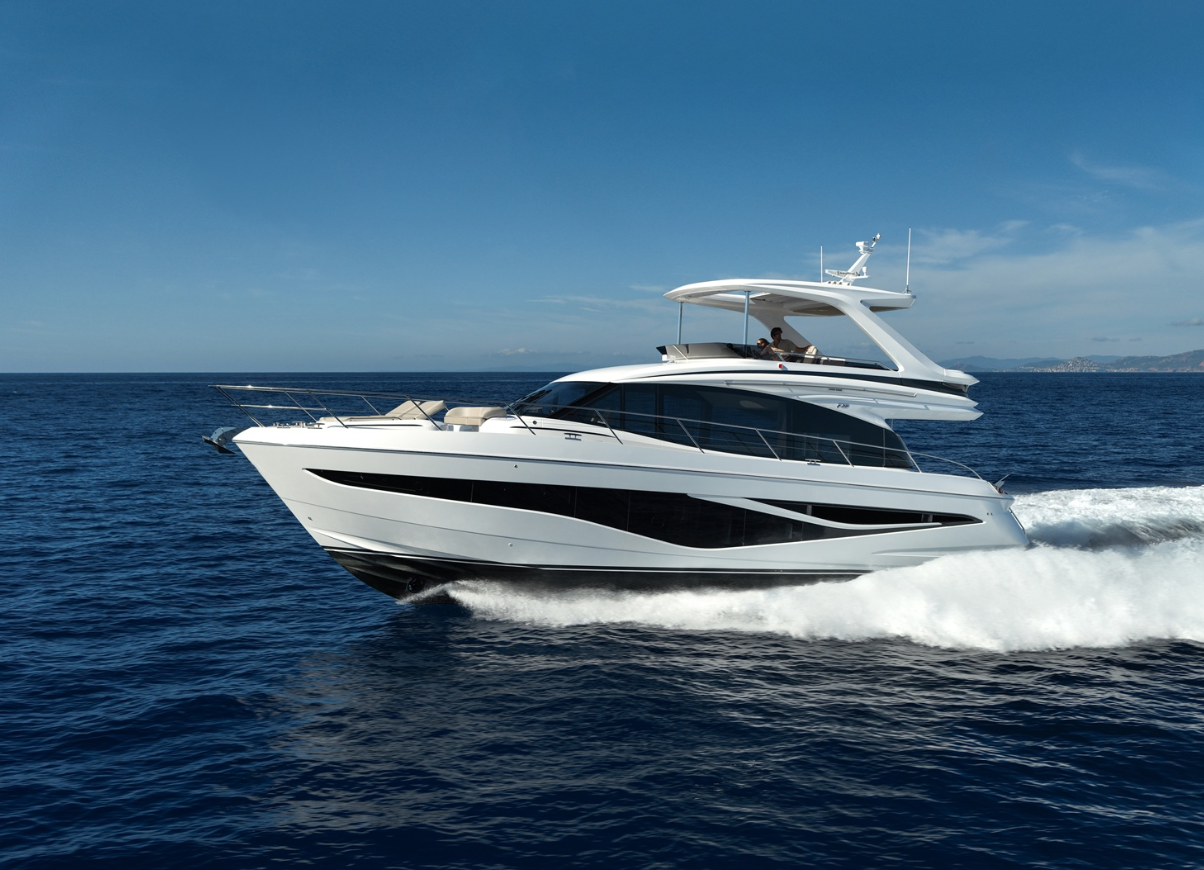
Modern boating is about more than reaching a destination. Owners increasingly want interiors that feel comfortable, look attractive, and remain practical throughout years of use. Seating plays a major role in creating this experience because it combines design, support, and everyday functionality. Choosing the right boat seat materials can help transform an ordinary interior into a more inviting space while addressing the challenges of the marine environment. For professional boat and yacht interior upgrades, Boat Upholstery Fort Lauderdale offers specialized marine upholstery solutions tailored to different vessels and design preferences.
Marine Interiors Are Changing
Boat interiors have evolved considerably over the years. Traditional designs often prioritized basic functionality, but modern owners have more opportunities to customize their seating and surrounding spaces.
Contemporary marine interiors frequently feature coordinated colors, textured surfaces, decorative stitching, and carefully shaped cushions. These details create a more refined atmosphere without sacrificing practical performance.
The choice of boat seat materials influences how successfully these elements work together. A suitable covering can complement the vessel’s flooring, dashboard, and interior panels while providing the protection needed for regular boating.
Marine Vinyl Offers Design Flexibility
Marine vinyl remains a popular upholstery option because it combines practical characteristics with a wide selection of finishes.
Owners can choose smooth surfaces for a contemporary appearance or textured finishes that introduce more visual depth. Different colors also make it easier to coordinate seating with the vessel’s overall design.
Quality marine-grade vinyl can offer resistance to sunlight, moisture, and everyday wear. However, products vary in construction and performance, so buyers should review manufacturer specifications before making a decision.
When comparing boat seat materials, owners should look beyond color and price. The intended application and environmental exposure matter just as much.
Comfort Starts Beneath the Covering
A beautiful seat can still disappoint if its internal construction lacks proper support.
Foam gradually loses resilience through repeated use. Cushions may become compressed, uneven, or uncomfortable during longer journeys. This problem often becomes more noticeable in frequently used helm seats and passenger benches.
A complete upholstery upgrade should therefore evaluate both the covering and the cushioning. Foam density, thickness, and shape all influence the final result.
Combining suitable boat seat materials with supportive foam can improve the appearance and comfort of the entire seating system.
Color Choices Influence the Atmosphere
Color can change how passengers perceive the interior of a boat.
Light shades such as cream, white, and soft gray create a bright and open appearance. Navy, charcoal, and darker blue introduce contrast and can make individual seating sections stand out.
Two-tone combinations offer another way to personalize the interior. A light central panel with darker side sections can emphasize cushion shapes without making the design overly complicated.
The best boat seat materials should support the chosen color palette while remaining suitable for the conditions in which the vessel operates.
Outdoor Seating Needs Extra Protection
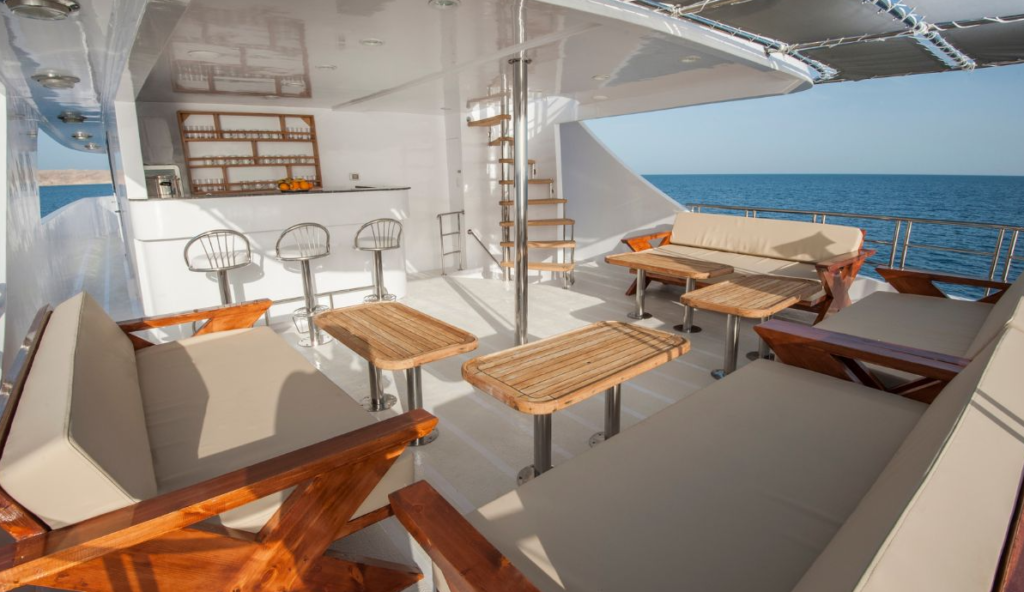
Open cockpit cushions, bow seating, and helm chairs often experience more exposure than protected cabin furniture.
Direct sunlight can gradually affect certain surfaces, while rain and water spray introduce additional moisture. Frequent contact with wet clothing and sunscreen can also increase cleaning requirements.
Owners should select boat seat materials according to the location of each cushion. Products with appropriate UV and moisture resistance are especially important for exposed areas.
Protective covers can provide another layer of defense when the vessel remains unused. Regular inspections also help identify early signs of fading, cracking, or seam damage.
Stitching Makes a Difference
Stitching is both a functional and decorative part of marine upholstery.
Strong seams help hold cushion panels together, while carefully selected patterns can create a distinctive appearance. Diamond stitching, contrasting thread, and decorative piping are popular ways to customize seating.
However, decorative details should not replace proper construction. Thread quality, seam placement, and workmanship all influence how well upholstery performs during everyday use.
Coordinating stitching with boat seat materials can produce a more polished interior without relying on excessive decoration.
Maintenance Keeps Seating Looking Better
Even high-quality marine upholstery requires regular care. Salt deposits, dirt, sunscreen, and food spills can gradually affect seating surfaces.
Owners can protect their interiors by following a few simple habits:
- Wipe seats after boating trips.
- Remove salt residue regularly.
- Clean spills promptly.
- Use products recommended for the specific covering.
- Allow wet cushions to dry completely.
- Inspect seams and stitching for early wear.
Following manufacturer instructions is particularly important because different boat seat materials may require different cleaning methods.
Custom Upholstery Can Refresh an Older Vessel
A boat does not always need a complete renovation to achieve a more modern appearance.
Replacing worn cushions, updating colors, and improving foam support can significantly change the interior. Owners may also introduce contrasting panels or new stitching patterns while keeping the original seating layout.
A professional assessment can help determine which components need replacement and which can remain in place.
Selecting boat seat materials that suit the vessel’s age, design, and intended use makes the upgrade more cohesive and practical.
Final Thoughts
Modern marine seating brings together comfort, appearance, and durability. The covering, foam, stitching, and overall construction all contribute to the quality of the finished interior.
Choosing suitable boat seat materials allows owners to personalize their vessels while addressing the demands of sunlight, moisture, and everyday use. With thoughtful selection, professional workmanship, and consistent maintenance, boat seating can remain comfortable and attractive through many seasons on the water.
For more articles about boating, marine design, and boat maintenance, you can explore additional resources here.
Share this content:


Post Comment