Smart Upholstery Boat Seat Choices Can Extend Interior Life
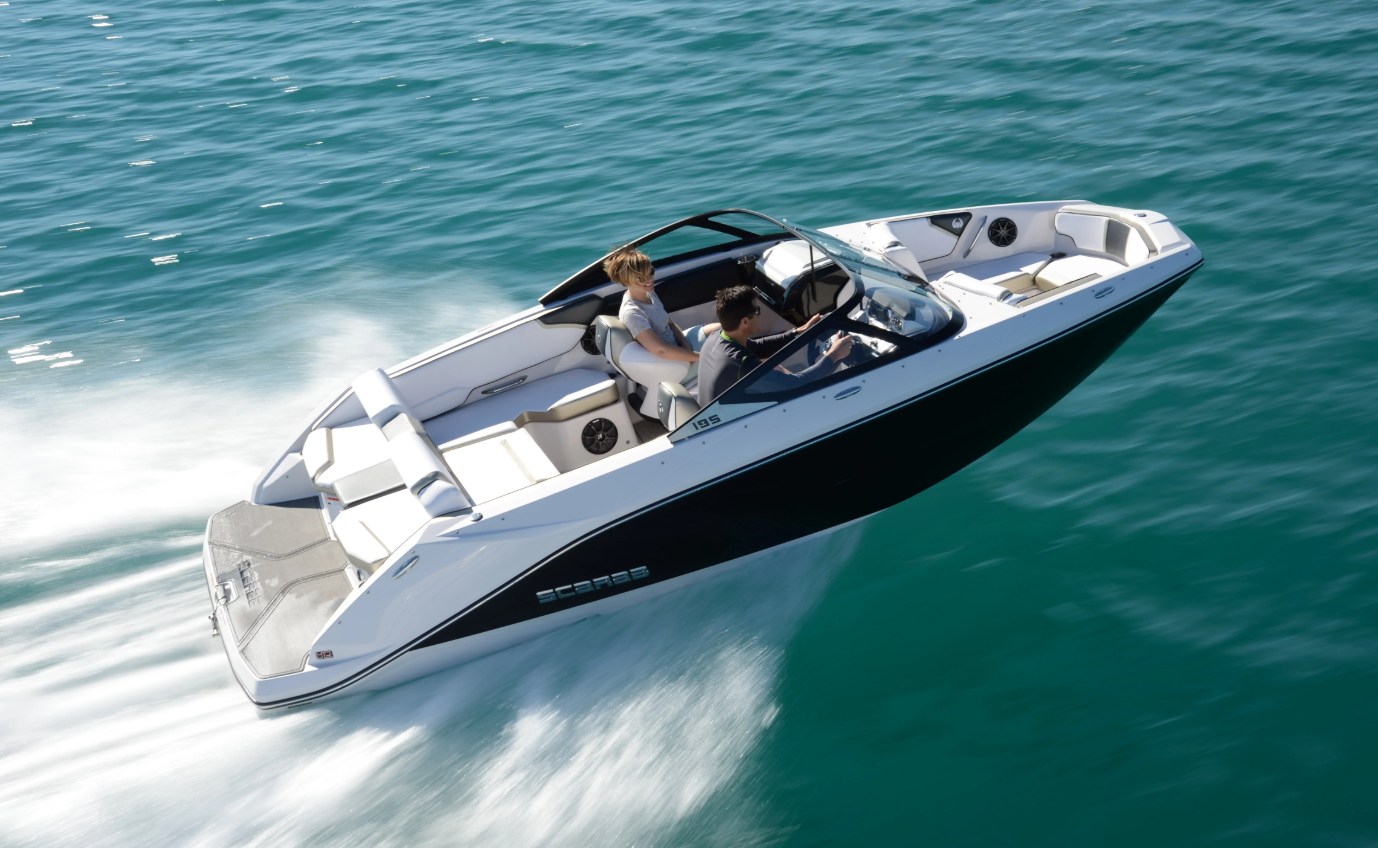
An upholstery boat seat can last much longer when boat owners choose materials and maintenance routines based on real marine conditions. Seating faces repeated pressure from passengers, strong sunlight, moisture, and exposure to saltwater. Over time, these factors can affect both the visible surface and the materials beneath it. Making smart choices early can help prevent unnecessary damage and keep the interior comfortable through many boating seasons. If you are considering professional upholstery work, you can explore marine upholstery services here from Boat Upholstery Broward, a company specializing in upholstery for boats and yachts.
Start With How the Boat Is Actually Used
The best upholstery choice depends on the boat’s purpose.
A fishing boat used several times a week may need highly durable and easy-to-clean seating. A family cruiser may place greater importance on soft cushions and additional back support. Boats used for entertaining may require a design that combines comfort with a more refined appearance.
Before selecting materials, consider:
- How often the boat is used
- How long passengers typically stay onboard
- Whether seating receives direct sunlight
- How often seats become wet
- The number of people using the interior
- Whether the boat is mainly used for fishing, cruising, or entertaining
These details can guide a more practical restoration.
Material Quality Affects Long-Term Performance
Marine upholstery is different from standard furniture upholstery.
Boat seats need materials that can handle frequent exposure to conditions that may quickly damage ordinary fabrics. Marine-grade vinyl, durable thread, and appropriate foam can help an upholstery boat seat perform better over time.
Important qualities to consider include:
- UV resistance
- Moisture resistance
- Easy cleaning
- Strong color retention
- Resistance to mold and mildew
- A comfortable surface feel
The right material may cost more initially, but better durability can reduce the need for frequent replacement.
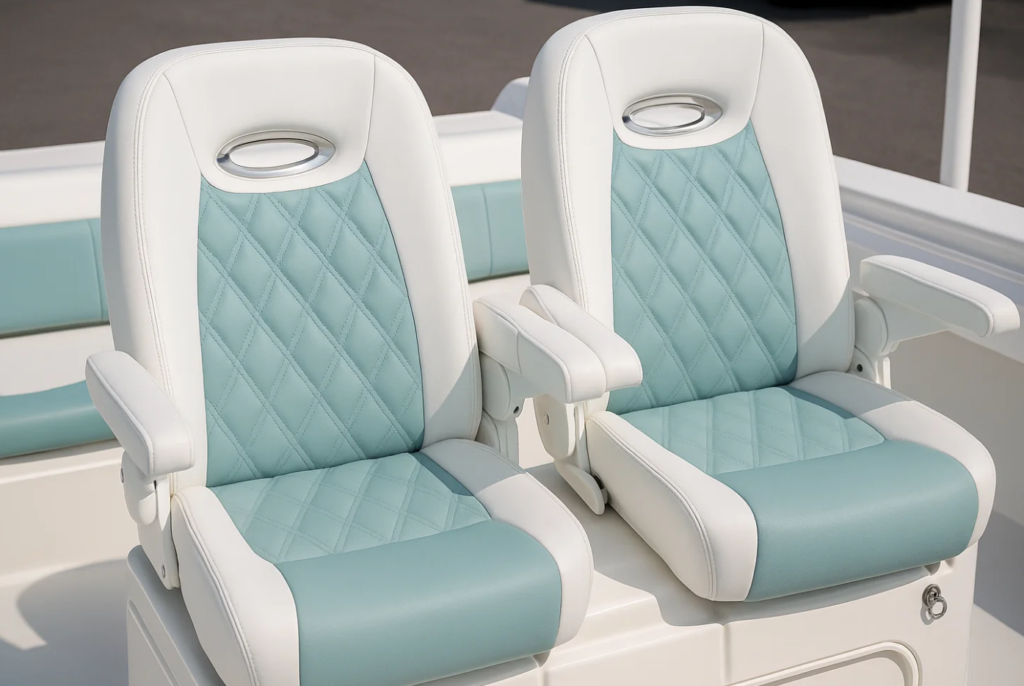
Foam Should Not Be an Afterthought
Many owners focus on the outer surface because it is the most visible part of the seat.
However, foam determines much of the seating comfort. Old foam can lose its original density, become uneven, or retain moisture after the outer covering is damaged.
During an upholstery boat seat project, checking the condition of the foam can prevent disappointing results. New vinyl over collapsed foam may improve appearance while doing little to improve comfort.
Replacing damaged foam can also help restore the original shape of the seating.
Strong Stitching Helps Protect the Entire Seat
Seams experience constant stress as passengers move, sit, and lean against the seating.
A small opening can allow moisture to reach the interior layers of a cushion. Once water enters, the foam and supporting materials may become more difficult to protect.
Regularly inspecting high-use seams can help owners identify problems early. Strong marine-grade thread and professional stitching techniques can also improve long-term durability.
Choose Colors With Maintenance in Mind
Color can change both the appearance and practicality of a boat interior.
Very dark surfaces may become hot in direct sunlight, while extremely light colors can show stains more easily. The best choice often depends on how much sun the boat receives and how the seating is used.
Many owners choose:
- Light neutral tones for a clean appearance
- Medium colors to balance heat and maintenance
- Contrasting accents for visual interest
- Textured surfaces that add depth
A thoughtful color scheme can make the interior attractive without creating unnecessary maintenance challenges.
Regular Cleaning Protects the Investment
Dirt, salt, sunscreen, and moisture can gradually affect marine seating.
Cleaning after regular use helps prevent buildup and makes long-term care easier. Owners should use products suitable for the specific upholstery material and avoid harsh cleaners that can dry out or damage surfaces.
A practical routine includes:
- Wiping down seats after outings
- Removing salt residue promptly
- Drying wet surfaces
- Checking seams and edges
- Cleaning spills quickly
- Covering the interior during long periods of inactivity
These habits can help an upholstery boat seat remain attractive and comfortable for longer.
Restoration Can Be Better Than Repeated Repairs
Small repairs can be useful when damage is limited.
However, repeated patches may become less effective when vinyl has widespread cracks or the foam has lost support. At that point, a complete restoration may provide better value.
Restoring several related components at the same time can also create a more consistent result. New materials, foam, and stitching can work together to improve both appearance and performance.
Final Thoughts
Boat seating needs to perform in a challenging environment, so the choices made during restoration can affect years of future use. Materials, foam, stitching, colors, and maintenance all contribute to the final result.
A well-planned upholstery boat seat project can improve comfort, protect the interior, and extend the useful life of marine seating. By focusing on practical performance as well as appearance, boat owners can create an interior that stays ready for many enjoyable days on the water.
More interesting articles you can explore here.
Share this content:


Post Comment